
When you’re making one of the largest investments of your life, it’s natural to think beyond the immediate purchase and consider long term value. Not all properties appreciate at the same rate, and understanding which types of homes tend to hold up best can help guide a smarter decision, whether you’re buying to live in or thinking ahead to resale.
Location Still Matters More Than Almost Anything Else
Before getting into the physical characteristics of homes, it’s worth stating the obvious: location drives value more consistently than any single feature of the property itself. Homes in established neighborhoods with good school districts, low crime rates, and easy access to amenities tend to hold their value even during market downturns. Proximity to job centers and reliable infrastructure also plays a major role in long term demand.
Which Types of Homes Tend to Perform Best
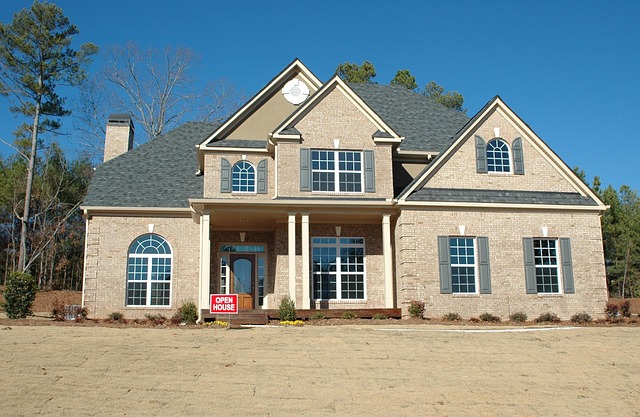
Single family homes generally outperform condos and townhomes when it comes to appreciation, mainly because they include land, which tends to appreciate over time even when the structure itself doesn’t. Homes with three to four bedrooms are particularly resilient, since they appeal to the widest range of buyers, from growing families to those looking to downsize from something larger.
Homes with functional, timeless layouts also tend to hold value better than those with unusual or highly specific floor plans. An open concept kitchen and living area, for example, remains broadly appealing, while a home with an oddly chopped up layout can be harder to sell down the line.
The Role of Age and Condition
Newer homes often come with modern systems, better insulation, and fewer maintenance surprises, which appeals to buyers and appraisers alike. That said, older homes in desirable, walkable neighborhoods can hold value just as well, particularly if they’ve been well maintained or thoughtfully updated over the years. What tends to hurt value is deferred maintenance, outdated electrical or plumbing systems, and cosmetic choices that feel dated rather than classic.
What to Be Cautious About
Homes tied to a single trend, like an overly specific design style or a layout built around one very particular lifestyle, tend to lose broad appeal faster. Similarly, homes in areas with high HOA fees or heavy reliance on a single industry for local employment can be more vulnerable to value swings.
The Bottom Line
If long term value matters to you, look for homes in strong locations with flexible, functional layouts and broad buyer appeal. While no property is entirely immune to market shifts, homes that check these boxes consistently tend to weather downturns better and recover value faster once the market turns around.