
Buying a brand-new home appeals to many buyers for understandable reasons: modern systems, current floor plans, fresh finishes, and the sense of being the first to occupy the space. The process, however, is genuinely different from purchasing a resale property. Contracts work differently, timelines stretch and shift, and the relationship with the builder shapes the experience long after move-in day. Understanding these distinctions before signing makes the entire experience smoother.
Questions to Ask Before Choosing New Construction Homes
The first conversations should focus on the builder rather than the house. How long has the company been building in the area? How many homes have they completed locally, and where can they be visited? Walking through completed properties two or three years old reveals more than touring a model home. Settling cracks, paint wear, drainage patterns, and resident satisfaction all become visible after a few seasons of use.
Warranty coverage deserves close attention. Most new construction homes come with a one-year workmanship warranty, a two-year systems warranty covering plumbing and electrical, and a longer structural warranty often running ten years. The fine print varies considerably between builders. Some warranties exclude common issues like nail pops or minor settling, while others cover them. A buyer who reads the warranty carefully before contract signing avoids the disappointment of discovering exclusions only when something needs repair.
It is also worth understanding what is standard and what is an upgrade. Builders often display heavily upgraded model homes, and the base price advertised may not reflect the kitchen, flooring, or cabinetry on display. Asking for a written list of standard features, along with pricing for popular upgrades, prevents budget surprises during the selections appointment that typically follows contract signing.
The Construction Process and What to Expect
Once a contract is in place, the construction phase begins. Timelines for new construction homes can shift due to weather, supply availability, subcontractor scheduling, and inspection delays. Most builders provide an estimated completion window rather than a fixed date, and buyers planning to coordinate the sale of a current home should build flexibility into their plans.
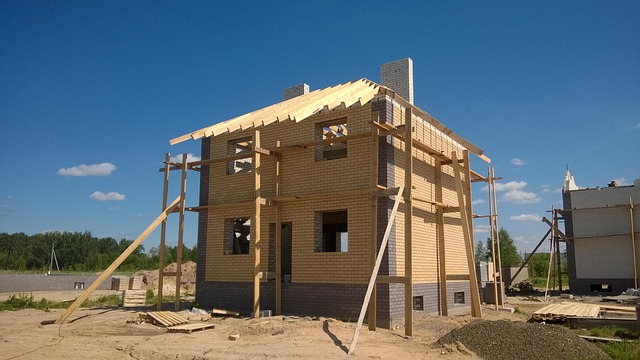
Many buyers underestimate how often visits to the construction site are valuable. Walking the lot at the framing stage allows verification that walls, windows, and electrical placements match expectations. Some changes are still possible at this point; once drywall goes up, modifications become considerably more expensive. A buyer who stays engaged during construction often catches small issues that would otherwise become callbacks after move-in.
Independent inspections are worth considering even on a brand-new property. While the builder uses its own quality control and county inspectors verify code compliance, an inspector hired by the buyer represents the buyer’s interests alone. Common findings on new homes include incomplete insulation, improperly installed flashing, HVAC ductwork issues, and minor framing concerns. Catching these before the final walkthrough is much easier than addressing them through a warranty claim months later.
Closing, Move-In, and the Year That Follows
The final walkthrough on a new construction property is often called the orientation or punch list walk. This is the moment to identify every visible issue, from scratched cabinets to misaligned doors to incomplete trim work. Builders generally respond more quickly when items are documented before closing rather than reported afterward, so taking time during this walk pays off well.
The first year of ownership is when most warranty claims arise. Soil settles, framing dries, caulk shrinks, and small cosmetic issues appear. Reputable builders expect this and have systems for handling it, but the buyer is responsible for tracking issues, submitting them within the warranty window, and following up if responses are slow. Keeping a simple list, with photos and dates, makes the process much more manageable.
Finally, buyers should think ahead to resale even when they do not plan to move soon. Lot location within a development affects future value.