
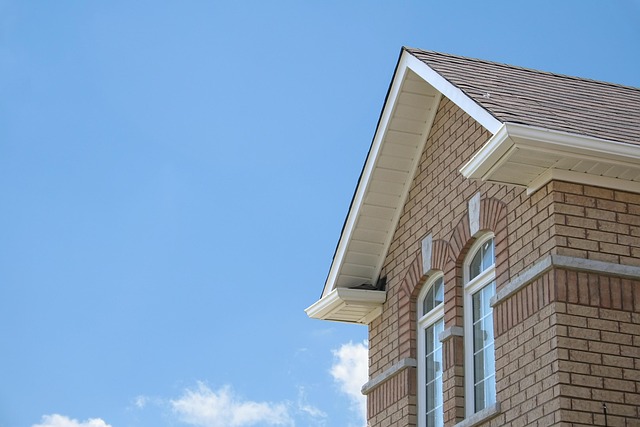
Thomas County’s architectural identity is not accidental. Generations of climate, agriculture, and cultural influence have shaped what residents now consider the local look. From the brick storefronts of downtown Thomasville to the wide porches of the surrounding farmland, the region carries a visual story that buyers often recognize before they can name it. Understanding that story helps both newcomers and longtime residents appreciate what makes the area distinctive.
Historic Influences Shaping Thomas County Homes
Thomasville rose to national prominence in the late 1800s as a winter destination for wealthy Northern families seeking mild weather and pine-scented air. Many of the grand residences and resort homes built during that period still stand, and their influence on local architecture remains strong. Victorian detailing, Greek Revival columns, and Colonial Revival symmetry appear repeatedly in older neighborhoods, often softened by the lush landscaping the region is known for.
The plantation tradition also left its mark. Long before the resort era, working farms across Thomas and Grady counties produced cotton, pecans, and timber, and the houses built to support that economy followed practical Southern vernacular forms. Wide central hallways encouraged cross-ventilation. Tall ceilings released summer heat. Detached kitchens, raised foundations, and broad porches reflected daily life in a hot, humid climate. These features have shaped how local builders approach floor plans even today.
Materials and Details Common to Local Homes
Walk through any Thomas County neighborhood and certain materials repeat themselves. Heart pine flooring, salvaged from older structures or milled to match, remains a sought-after element. Brick, often laid in patterns that nod to the historic downtown streetscape, appears on facades, chimneys, and garden walls. Standing-seam metal roofing, painted clapboard siding, and shutters in muted greens and grays contribute to the cohesive palette that defines the region.
Architectural detailing draws from a familiar library of references: turned porch posts, bracketed eaves, transom windows above front doors, and shiplap interiors. Even contemporary builders working in newer subdivisions tend to incorporate at least a few of these touches because buyers respond to them. The familiar elements create continuity between a 130-year-old downtown cottage and a recently completed home in a planned neighborhood farther from the square.
Landscaping also plays a role in the architectural story. Live oaks draped with Spanish moss, magnolias, dogwoods, and azaleas frame many properties, and homes are often sited to take advantage of mature trees rather than removing them. The result is a streetscape where structures feel embedded in the landscape rather than imposed upon it.
How Modern Construction Honors Tradition
Newer construction in the area tends to balance historical reference with contemporary expectations. Open kitchens, larger primary suites, energy-efficient windows, and updated electrical systems are now standard, but the exterior often still reads as Southern. Buyers moving from other regions sometimes comment on how the newer homes manage to feel both fresh and familiar, a reflection of builders who study the older neighborhoods carefully before drafting plans.
Porches remain almost universal. Whether wraparound, screened, or simple covered entries, they continue to serve as transitional spaces between street and interior life. Deep overhangs help control sun exposure, while ceiling fans extend the porch season well into the warmer months. These details are practical responses to the South Georgia climate, and they happen to be among the features buyers most consistently request.
Floor plans have evolved as well. Where older houses relied on segmented rooms, today’s homes often combine kitchen, dining, and family spaces into one larger area. Yet the placement of fireplaces, the orientation toward natural light, and the consideration given to outdoor connection all echo principles that have guided local building for generations.
The architectural character of the area cannot be reduced to a single style or era. It is instead a layered conversation between climate, history, craftsmanship, and the daily lives of the people who occupy these homes. For buyers exploring the region, recognizing that conversation often deepens appreciation for what they are walking into. The houses here are not only shelters or investments; they are part of a continuing tradition that links past residents to present ones, and that tradition is one of the quieter but more lasting reasons people choose to put down roots in Thomas County.